
Fantasy and sci-fi audiobooks, with a full cast for a big world
Large casts, invented names and long books: Find characters casts the main parts, extra voices cover the crowd, and any line can be fixed on its own.
Narrated with Warblize
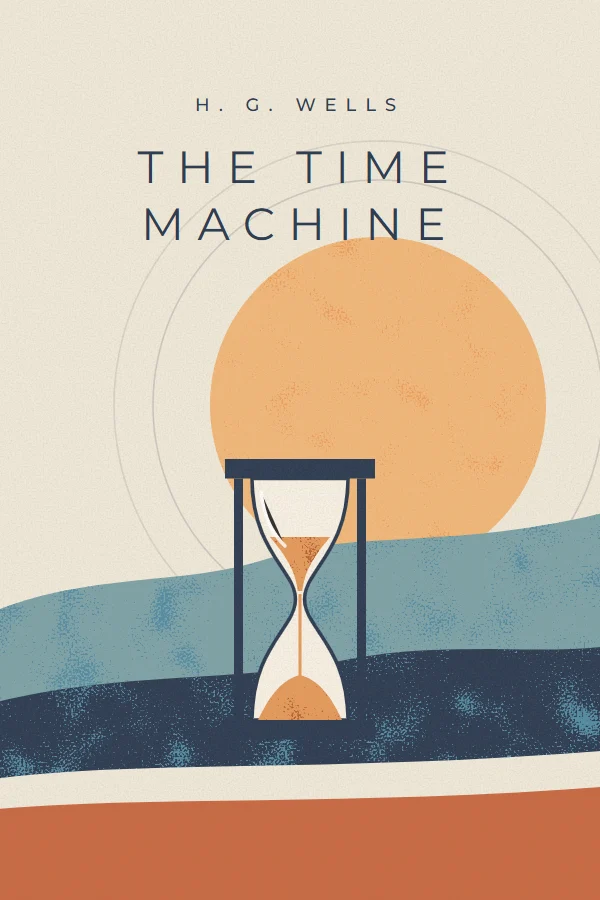 The Time Machine
H. G. Wells · 1:22 · 4 voices
After dinner, the Time Traveller starts to explain why time is only another dimension, and his guests start to argue. A narrator, the Traveller and two of his guests.
Listen and read along
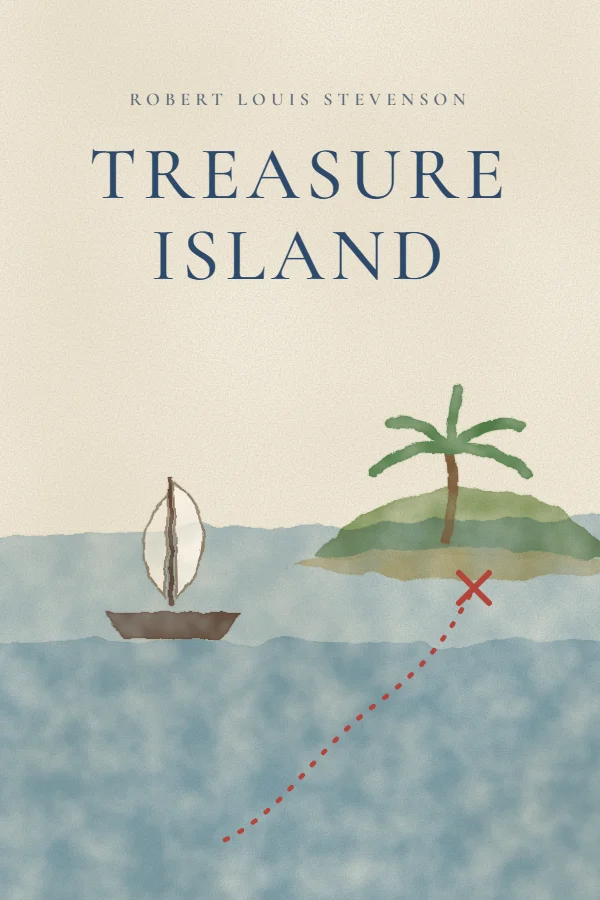 Treasure Island
Robert Louis Stevenson · 1:24 · 2 voices
Jim Hawkins remembers the day an old sea captain with a sabre cut walked into his father’s inn. A grown-up Jim narrates; the captain growls, and sings his sea-song.
Listen and read along
Voices to try for fantasy and sci-fi
From the voice library’s fantasy and sci-fi shelf. Every voice has a free preview, and any voice can be customized for a character.
- AlgenibGravelly, grounded, and hard-hitting · Male
- JohannaTextured, resonant, and soothing · Female
- JonasTextured, resonant, and soothing · Male
- TheodoreDeep, velvety, and unhurried · Male
- NandiniDeep, velvety, and unhurried · Female
- RowanDeep, velvety, and unhurried · Female
- FenrirExcitable, high-energy, and passionate · Male
- Ji-wooTextured, resonant, and soothing · Female
What fantasy and sci-fi narration needs
- A cast, not one voice. Epic fantasy and space opera have more speaking parts than any other genre. Listeners need the main ones to be instantly recognisable.
- Consistency over many hours. A character introduced in chapter two still has to sound like themselves in chapter forty.
- A narrator built for length. Twelve or fifteen hours is normal. Choose a voice that is easy to listen to for a long time, not the most dramatic one.
How to set it up in Warblize
- Pick a resonant, unhurried narrator from the shortlist above.
- Press Find characters. It reads the whole book first, so it knows who matters before it casts anyone. Main characters get their own voices; minor speakers share extra voices.
- Shape the important voices. A sentence is enough: “an ancient, patient wizard who speaks slowly”, or “a young pilot, fast-talking and cocky”. Set the pace for each.
- Mark the big moments with tags such as [shout], [whispers] or [long pause], sparingly.
- Listen for names. Generate a chapter full of invented names and places first. Fix any mispronounced name in that sentence before you generate the rest.
Length and cost
| Book | Words | Audio | Credits | Creator plan |
|---|---|---|---|---|
| Adventure novel | 70,000 | about 7.8 h | 8 | $47 |
| Fantasy novel | 100,000 | about 11 h | 12 | $71 |
| Epic fantasy | 150,000 | about 16.7 h | 17 | $100 |
Before you publish
For a series, keep the same narrator and character voices from book to book: note which voice and description you gave each recurring character, and set them the same way in the next book. Check store rules in where to sell an AI-narrated audiobook.
Common questions
My book has dozens of characters. How are they voiced?
Characters with real parts each get their own voice. Everyone with only a few lines is read by a small set of extra voices, rotated so minor speakers in the same chapter sound different.
What if an invented name is pronounced wrongly?
Edit the sentence and narrate it again; nothing else changes. Spelling a name the way it sounds in that one sentence is the quickest fix.
Fantasy books are long. What does a big one cost?
A 120,000-word fantasy is about 13 hours of audio, 14 credits: about $83 on the Creator plan, or $70 at the Scale rate.
Join 642 authors
creating audiobooks with Warblize
 Create your audiobook